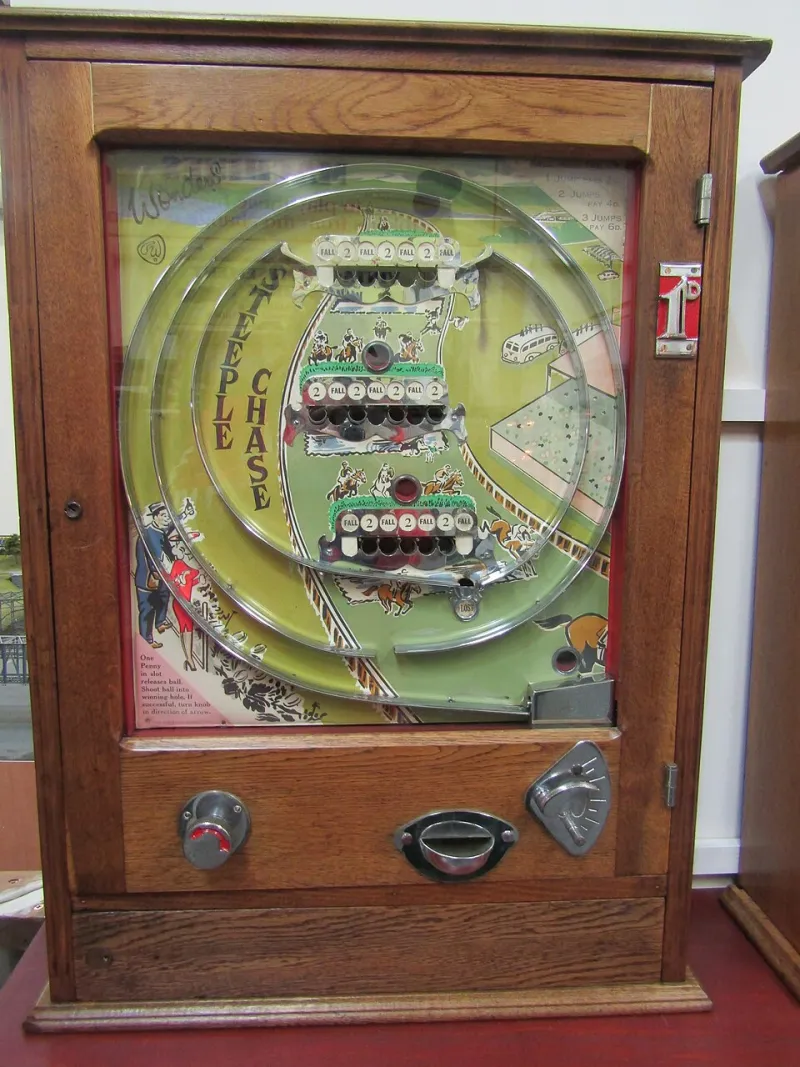
Nobody Clapped When Buffalo 2 Dropped: Do Slot Sequels Ever Beat the Original?
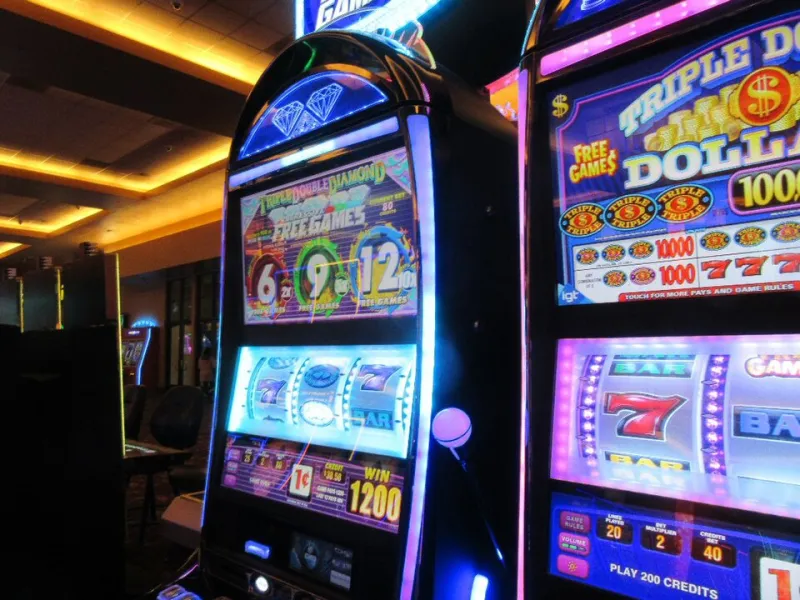
Photo: FolsomNatural, CC BY 2.0, via Wikimedia Commons
Hollywood figured out decades ago that a sequel is cheaper than an original idea. Slot studios learned the same lesson, except their sequels don't even need a script. Change the background, add a multiplier wheel, slap a "2" on the loading screen, and ship it.
But here at RTP Pilar 168, we don't care about the art direction. We care about the numbers under the hood. So we lined up five well-known slot franchises — original versus sequel — and compared RTP, volatility, and how often the bonus round actually shows up. The results were not flattering to the sequels.
The Franchise Problem
Think about how this works in any other part of American life. A restaurant gets famous for one dish. Pretty soon there are six locations, and the one in the strip mall isn't quite as good as the original. The recipe got stretched.
Slots do the same thing. The original game was built to win a market — it needed a competitive RTP, a memorable feature, something to talk about. The sequel doesn't need to win anyone over. The fanbase is already there. The studio knows that a chunk of players will spin it out of loyalty alone, the same way we all bought the third album.
That's not a conspiracy theory. It's just incentive math, and you can see it in the published figures.
Five Sequels, Five Report Cards
Here's the pattern we found across the franchises we checked (specific titles vary by state and platform, so we're describing the families rather than naming every cabinet):
1. The Classic Megaways Follow-Up. The original sits around 96.0–96.2% RTP with a bonus roughly every 1 in 230 spins. The sequel? Dipped to about 95.9%, with the bonus frequency stretched to 1 in 260 — but with a bigger advertised max win. You're trading steady bonus access for a lottery ticket.
2. The Animal-Themed Part 2. The first game was a 96.5% workhorse. The sequel added a hold-and-win feature and quietly settled at 96.1%. On paper that's a small haircut. Over a long session, it's the difference between breaking even and bleeding.
3. The Buffalo-Style Legacy Edition. This one is the classic case study. The original became a legend on Vegas floors precisely because it hit often enough to keep a $20 bill alive through a dinner break. The legacy edition runs hotter volatility and a lower hit frequency. Same theme, different animal.
4. The Egyptian Franchise, Part 5. By the fifth installment, the RTP had recovered to a respectable 96.3% — but the bonus trigger got so rare that most sessions end before you see it. High RTP with low feature frequency is a strange beast: the number looks great, the experience feels like a desert (fitting, given the theme).
5. The Fruit Machine Remake. The rare happy ending. The sequel actually posted a slightly higher RTP than the original, likely because the original was a floor legend with legacy pricing baked in. It happens. Just not often.
Why the Sequel Usually Loses
The through-line is simple: the original had to earn its players; the sequel inherits them. Studios know that brand recognition alone drives a baseline level of play, so the sequel's math can afford to be less generous. The marketing budget goes into the graphics instead.
There's also the volatility shell game. A sequel often shows you a bigger max win — 10,000x instead of 5,000x! — while quietly stretching out the bonus triggers. The headline number goes up; your average session goes down. If you've read our piece on volatility draining bankrolls faster than RTP ever could, this is exactly that trick wearing a new costume.
When the Sequel Is Actually the Better Bet
To be fair to the studios, a sequel isn't always a downgrade. Watch for these green flags:
- RTP is listed and equal or better. Some studios publish multiple RTP configurations; check which one your casino is running, not just the top-line figure.
- Bonus frequency is documented. If the sequel triggers features at a similar rate to the original, the extra polish is free.
- The demo plays the same as the promo video. Run 200 demo spins. If the base game pays dust and the bonus never lands, believe the demo, not the trailer.
And if you can't find any published figures at all? That's its own answer. A studio confident in its sequel's math usually isn't hiding it.
The Verdict
Play the sequel because you enjoyed the original — not because you expect it to pay better. In four out of five franchises we checked, the original game remains the stronger bet on RTP, feature frequency, or both. The sequel's job is to cash in on goodwill, and the math reflects that.
The original did the work. The sequel sends the invoice. Know which one you're spinning.