Same Cabinet, New Wiring: We Compared Five Classic Slots to Their Remakes and Found Some Changed the Math
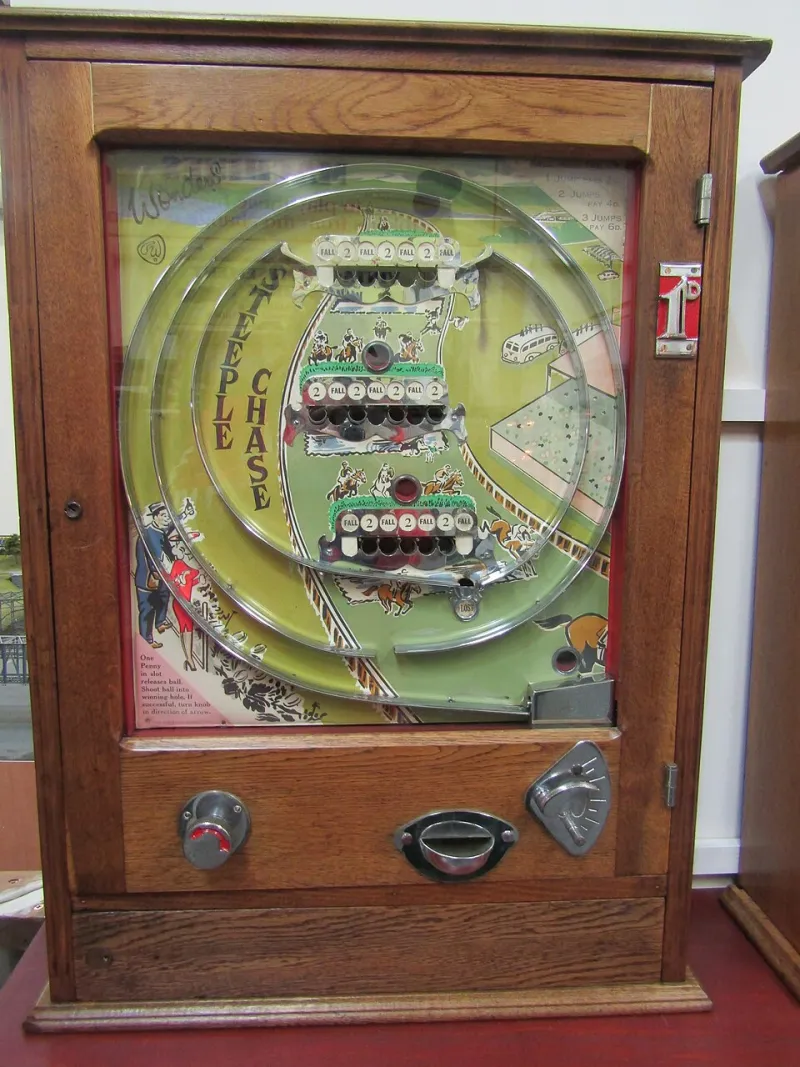
Photo: Kolforn (Kolforn) I'd appreciate if you could mail me ([email protected]) if you want to use this picture out of the Wikimedia project scope. This file is licensed under the Creative Commons Attribution-Share Alike 4.0 International license. Yo
There's a certain comfort in seeing an old favorite get a second life. The reels you learned on, the symbols you can spot from across the room — now rendered in 4K with an animated intro sequence. Studios have figured out that nostalgia sells, and the slot remake boom is proof.
But here at RTP Pilar 168, we don't buy nostalgia blind. We wanted to know: when a classic slot gets remastered, does the math come along for the ride? Or does the new version quietly play tighter while looking shinier?
We pulled the published specs and paytable details for five legacy titles and their modern re-releases. What we found was a mixed bag — and a few lessons every player should carry onto the floor.
The Remake Isn't Always the Same Animal
The first thing to understand: a remake is rarely a port. In most cases, the studio rebuilds the game engine from scratch. That means new reel strips, new symbol weighting, sometimes a whole new volatility profile.
Of the five pairs we examined, three kept their RTP essentially identical — the same headline number, give or take a hundredth of a percent. But the other two told a different story. One remake dropped roughly a full percentage point below its ancestor, a change easy to miss if you assume the sequel plays like the original. Another kept the RTP close but redistributed where the money lands, shifting a meaningful chunk of the payback into a feature round that triggers far less often.
That second pattern is the sneaky one. The number on the info screen looks familiar, so you assume nothing changed. In practice, your base-game sessions run drier and the big moments arrive less frequently. The math averages out on a spreadsheet. Your Tuesday night? Not so much.
Why Studios Re-Engineer the Classics
To be fair, this isn't always malice. Regulatory environments change. A game built for Nevada cabinets in 2008 may need retooling to meet modern compliance standards or to run on today's platforms. Sometimes the original math simply doesn't survive the port to a new engine, and the designers rebuild it from memory.
And sometimes, yes, the studio looks at a beloved title with a loyal following and realizes those players will show up regardless. A point or two of RTP is a lot of money when your fans don't check.
The takeaway isn't "never play remakes." It's "never assume."
The Remake Inspection Checklist
Think of this like a home inspector walking through a flipped house — fresh paint can cover a lot of wiring problems. Before you settle in with a remade classic, run through these five checks:
-
Find the actual RTP, not the family reputation. Don't rely on what the original paid. Open the info screens on the remake itself and look up the number.
-
Compare paytables symbol by symbol. If the top-tier symbol pays less than you remember, or mid-tier hits got shaved down, that's your wiring upgrade in reverse.
-
Check the feature frequency. Some remakes publish hit rates or bonus trigger odds. If the big feature got rarer, the same RTP is being delivered in a very different rhythm.
-
Watch the volatility label. Many remakes crank volatility up to chase highlight-reel clips for social media. Higher volatility at the same RTP means longer losing stretches between payouts.
-
Play the demo first. If free play is available, run a few hundred spins and note how the session feels. If the base game feels noticeably stingier than the version in your memory, trust that instinct — then verify.
When the Remake Is Genuinely Better
It's not all bad news. One of the five pairs we checked actually improved on the original — a modest RTP bump and a feature round that triggers often enough to matter. Modern engines also let designers fix old clumsiness, like awkward gamble options or clunky payline structures.
The point of the checklist isn't cynicism. It's making sure your nostalgia is informed. A classic you loved at 96% is worth playing at 96%. It's worth less at 94%, no matter how good the animation looks.
The Bottom Line
Slot remakes are renovations, and like any renovation, some contractors do honest work and some slap paint over cracked foundations. The studios aren't obligated to tell you which kind you're playing — but the info screens usually tell you anyway, if you take thirty seconds to look.
The games you loved aren't entitled to your loyalty. They're entitled to a fair inspection. Bring the checklist, check the numbers, and let the math — not the memories — decide where your bankroll goes.