One Month, One Notebook, Zero Miracles: My Experiment With Chasing 'Due' Slot Machines
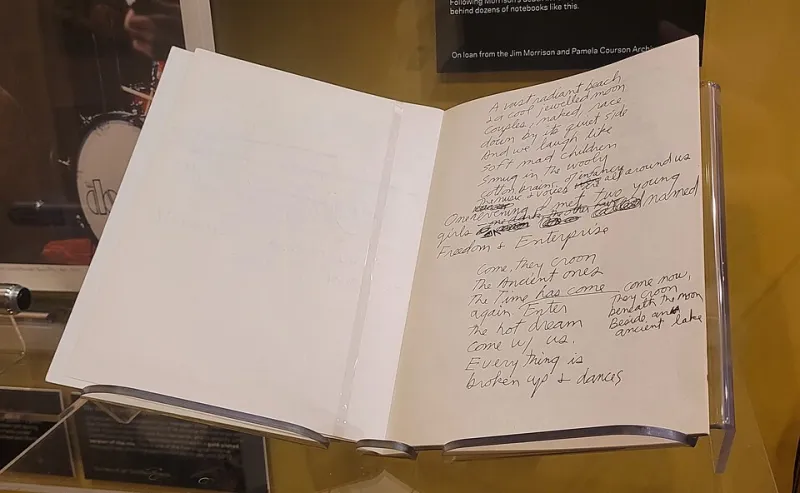
Photo: Superraptor123, CC BY-SA 4.0, via Wikimedia Commons
Every slot player has a friend who swears they can feel when a machine is about to pay. The reels slow down differently. The bonus symbols start 'teasing.' The machine has been cold all night, so it's obviously due.
I've been that friend. So for one month, I decided to do something embarrassing: write everything down. Every session, every deposit, every time my gut screamed hot or cold — logged in a cheap spiral notebook I kept next to my keyboard.
What I found didn't just surprise me. It mildly humiliated me. And it might save you some money.
The Setup: Rules Before Reels
Before the first spin, I set three ground rules so the experiment wouldn't dissolve into vibes:
- Same budget, same stakes. $200 per week, penny and nickel denom machines, mostly medium volatility titles you'd recognize from any US-facing online casino lobby.
- Predict first, play second. Before each session, I wrote down my gut read on the game: hot, cold, or neutral. No cheating after the fact.
- Log everything. Spins, biggest hit, session result, and — crucially — whether I felt the machine was paying.
By the end, I had 27 sessions, roughly 14,000 spins' worth of play, and a notebook that looked like a mad accountant's diary.
Week One: The Hot Streak That Wasn't
The first week started with a bang. Day two, I hit a 240x win on a fishing-themed slot and immediately anointed the game 'hot.' I played it three more times that week.
Here's the thing: over those three follow-up sessions, I lost a combined $180. My notebook read like a grief journal. *"Machine still feels hot." "Maybe it's warming up." "OK it's not."
The math was simple and merciless. That 240x hit wasn't a signal — it was just variance doing its regular Tuesday routine. But my brain had already written the story: this game pays.
Week Two: The Cold Machine I Almost Abandoned
Week two flipped the script. I sat down at a different game, went 45 minutes without a bonus round, and wrote a scathing review of it in my notes: *"Dead. Avoid."
Then, out of stubbornness (or laziness — I'd already bought in), I kept playing.
It paid. Two bonus rounds in ten minutes, followed by a 180x hit that covered my entire week's budget. The notebook entry that night just said: *"I know nothing."
And honestly, that's the correct conclusion. A slot's RTP is set in the game math — it's a number baked into millions of spins, not a temperature you can read off a Tuesday night session. A 45-minute cold stretch and a 10-minute heater are both just noise sampled from the same distribution.
The Data: What 27 Sessions Actually Showed
When I finally tallied everything up, here's what the month looked like:
- My gut reads were right about 34% of the time. A coin flip would've done better.
- Sessions where I felt 'hot' lost, on average, slightly MORE than sessions where I felt 'cold' — because I bet bigger when I felt confident.
- Total result: down about 6% overall, which is almost exactly what you'd expect from a portfolio of games hovering in the 95-96% RTP range.
That last line is the real finding. Over a month of play, my results regressed toward the mathematical mean like a river finding the sea. The streaks I chased were weather. The RTP was climate.
What I Changed Because of the Notebook
The experiment didn't teach me to predict machines. It taught me to predict myself. Three habits stuck:
1. I stopped betting up during winning streaks. My log showed my biggest losses came right after my biggest wins. Confidence, not cold machines, was draining my bankroll.
2. I started treating cold streaks as information about the session, not the slot. When a game went 40 minutes without a feature, the smart move wasn't to hunt for a 'due' payout — it was to ask whether I was still having fun at this stake.
3. I stopped judging a game off one session. My two worst first impressions of the month both turned into perfectly normal, playable games. One session is an anecdote. A month is a data point. A lifetime is the RTP.
The Uncomfortable Truth About 'Due'
Here's what nobody wants to hear at 1 a.m. with the auto-spin running: the machine doesn't know what it did last spin. Each spin is an independent event, and the RNG doesn't care that you've been patient.
But that's not actually bad news. It means you're free. Free to pick games based on RTP and volatility you can actually verify, free to set a session budget you'll actually respect, and free to walk away after a big hit without believing the well just refilled.
The notebook's final page says it best: "Stopped chasing due. Started chasing fun-per-dollar." My results didn't magically improve. But my sessions got longer, my losses got smaller, and my blood pressure got a lot better.
That's a trade I'll take every time.