Blueprint Check: We Inspected 20 Vegas Paytables Like a Building Inspector With a Clipboard
Every building in Las Vegas has to pass inspection before anyone walks through the door. Slot machines? Nobody checks their bones except the people who built them.
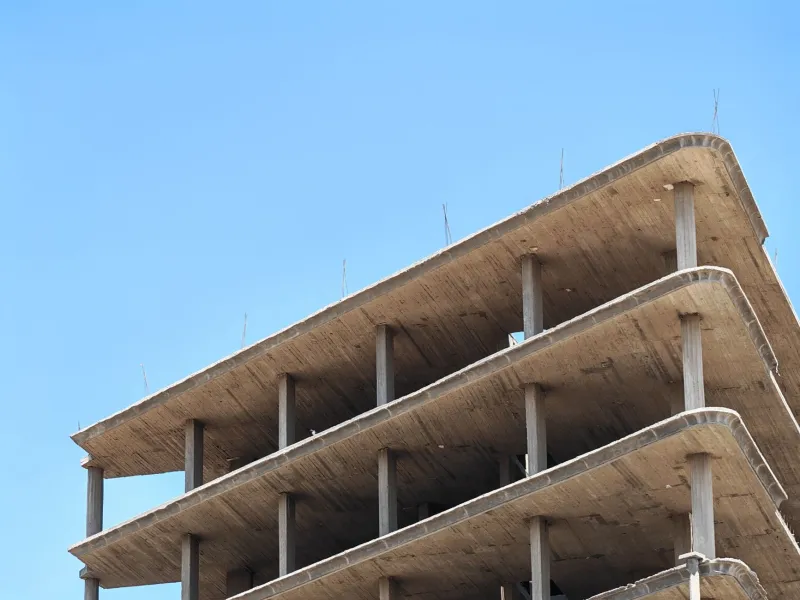
So we did what the name on our masthead promises — we acted like a pillar holding something up, leaned in close, and audited the paytable structure of 20 machines on one casino floor off the Strip. Notebook, pen, coffee, no illusions. What follows is our inspection report, plus a two-minute routine you can run yourself before you ever press spin.
Why a Paytable Is a Blueprint, Not a Menu
Most players treat a paytable like a restaurant menu — a list of things you can order. That's the wrong mental model. A paytable is closer to a blueprint: it shows you where the weight-bearing walls are.
Three structural elements matter:
- The top-line jackpot relative to max bet. If the grand prize only pays big at max bet, everything below it is scaffolding.
- The gap between three-of-a-kind and four-of-a-kind (or five-of-a-kind) hits. A huge cliff between tiers means the machine leans its payout weight on rare events.
- How the wild and bonus symbols are priced. These are the load-bearing columns. If wilds pay almost nothing on their own, the machine's structure depends almost entirely on the bonus round holding the roof up.
The Inspection Routine: 90 Seconds, Three Checks
Here's the exact process our inspectors used, and it works on any machine in any US casino.
Check one: find the bet ladder (20 seconds). Scroll through the bet options before you look at any payouts. If the top prize doubles from the second-highest bet to max bet but mid-tier wins don't scale the same way, you're looking at a machine engineered to pressure you into max bets. Note it.
Check two: price the middle (30 seconds). Find what a solid, boring win pays — three matching mid-tier symbols at your actual bet level. If that number is less than half your bet, the machine's day-to-day structure is hollow. It wins its RTP back in rare bursts, and your session lives and dies by the bonus.
Check three: read the bonus fine print (40 seconds). Look for phrases like "pays may differ from displayed values" or "outcomes shown are examples." That's the inspector's equivalent of a cracked foundation warning. It means the paytable you're reading is illustrative, not contractual.
The Report Card: How Our 20 Machines Graded
We scored each machine Pass, Conditional, or Fail on structural honesty — not on whether it's fun, but on whether its blueprint matches what a player can realistically expect.
Pass — 6 machines. Mostly older three-reel and classic video slots. Top prize scaled smoothly across bet levels, mid-tier wins returned 40–60% of the bet, and no weasel language in the help screens. These are the ranch houses of the casino floor: modest, honest framing.
Conditional — 9 machines. The most common grade. Solid structure, but with one load-bearing quirk — usually a top prize that only pays at max bet, or a bonus round that supplies a suspicious share of the theoretical return. Playable, but you should know which wall is holding the roof.
Fail — 5 machines. Our failing machines shared a pattern: jackpot figures printed in enormous type, mid-tier payouts so thin they barely register, and help screens that described features without ever pricing them. One machine's help file literally listed the grand prize without stating the bet level required to win it. That's not a blueprint — that's an artist's rendering.
What the Floor Layout Told Us
A bonus finding from the audit: the machines graded Pass were mostly clustered in low-traffic corners, while the Fail-grade machines occupied the sightlines from the entrances and the walkways to the restrooms. Placement is part of the architecture too. The machines that hide their structure best get the best real estate.
That's not a conspiracy — it's merchandising. Grocery stores do the same thing with cereal. But a player who knows how to read blueprints doesn't have to shop where the store wants them to.
Take the Clipboard With You
You don't need our notebook. You need ninety seconds and three questions: Does the top prize scale fairly across bets? Does a boring mid-tier win actually pay? Does the fine print promise what the big type implies?
Run that inspection and you'll never look at a casino floor the same way. Some machines are built to last. Others are just set dressing with a marquee — and now you'll spot the difference before your bankroll finds out.