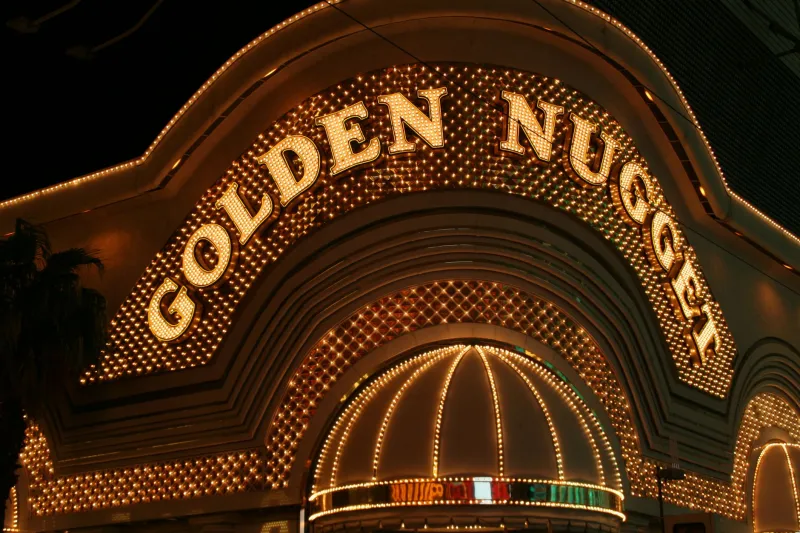
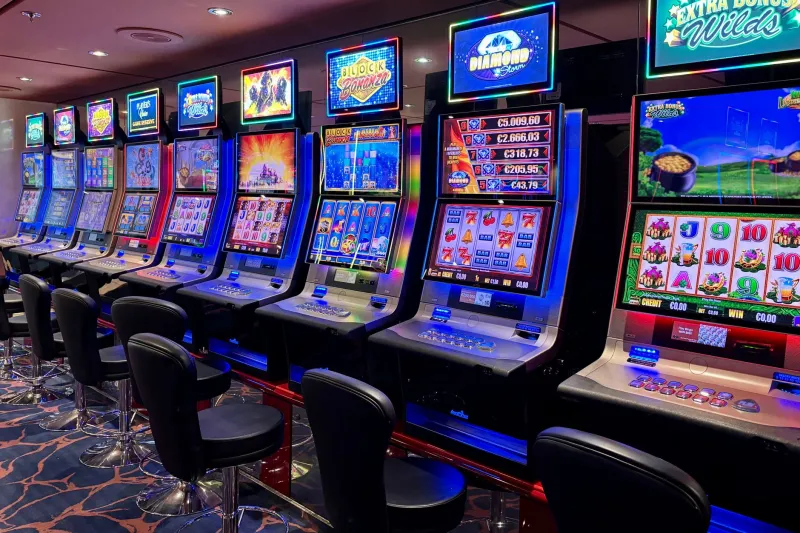
Load-Bearing Promises: Inside the Small-Town Zoning Fights That Decide Where Casinos Rise
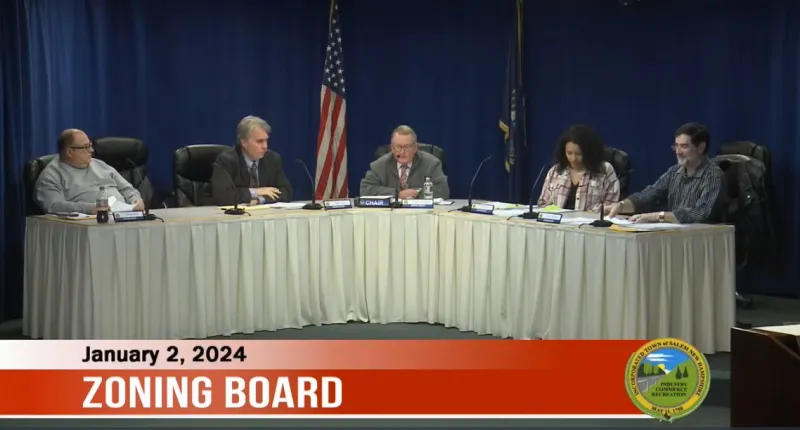
Photo: small town zoning board public meeting town hall citizens, via news.salemnh.gov
We spend a lot of time on this site talking about the math inside the machine — RTP, volatility, hit frequency. But there's a whole other layer of numbers that gets decided years before a slot cabinet is ever bolted to a floor: the numbers in a zoning board packet.
Casino expansion in America doesn't happen in Las Vegas anymore. It happens in places like youngstown-adjacent Ohio townships, rural Iowa counties, and dying Pennsylvania boroughs, where a developer shows up with renderings of a glass tower and a promise of 400 jobs. What follows is one of the most quietly dramatic civic rituals left in American life: the public zoning hearing.
We read through hours of meeting minutes and spoke with residents from three towns that faced this exact moment. What we found wasn't a story about gambling. It was a story about whether promises — the load-bearing kind — actually hold weight.
The Hearing Is the Casino
Most people assume a casino gets approved by a state gaming commission. That's only half true. The state issues the license, but the town decides whether the thing can physically exist. Sewer capacity. Traffic patterns. Setback requirements. Height restrictions.
In one Pennsylvania township we reviewed, the developer's initial site plan failed on a technicality so mundane it was almost poetic: the proposed parking lot didn't meet stormwater runoff standards. The casino — a $120 million project — was delayed eight months by drainage.
That's the part nobody tells you. The glamorous fight is about morality and money. The actual fight is about culverts.
The Two Pitches, Side by Side
Sit through enough of these hearings and you'll notice the arguments repeat like a paytable. Both sides make economic promises, and both sides are usually half right.
The developer's pitch, almost word for word across every town:
- Construction jobs (temporary, but real)
- Permanent positions with benefits, often 300 to 500 of them
- A revenue-sharing agreement with the township
- Local hotel occupancy and restaurant spillover
The opposition's pitch, also nearly identical everywhere:
- Traffic that the two-lane road was never built for
- Property values near the site
- Problem gambling costs that never appear in the pro forma
- The fact that most of those restaurant meals will happen inside the casino itself
Here's what our reporting suggests: both sides cherry-pick. The jobs numbers tend to be accurate in count and fuzzy in quality — many end up part-time or transfer-heavy. The traffic predictions tend to be accurate and routinely ignored by voters who've already made up their minds. And the revenue-sharing agreements? Those are the real prize, and they're negotiated far less favorably than most town boards realize.
Who Actually Holds Up Their End
We looked at what happened after the votes in the three towns. One got its casino. One rejected it. One approved it, and the developer never broke ground — the license got shopped two states over.
That third outcome is the one that should worry every zoning board in America. A conditional approval is not a casino. It's a chip in a developer's portfolio, and towns have been left holding rezoned land, updated sewer plans, and nothing else.
The town that approved and built? The revenue share arrived on schedule — roughly $2 million a year into a township budget of about $11 million. But the promised hotel spillover largely never materialized, because the casino built its own restaurants and a concert venue. The money stayed on the property. The town got a check and lost the ancillary economy it was promised.
The town that said no? Five years later, its main street looks about the same as it did before — which, depending on who you ask, is either a victory or a slow leak.
What Every Board Should Demand Before Voting
We're a gambling information site, so take this as the same advice we give about bonus terms: read the wagering requirements. In zoning, they look like this:
- A clawback clause. If the project isn't under construction within 24 months, the rezoning reverts. Automatic. No extensions.
- Revenue share with a floor, not a percentage of a percentage. Developers love baselines and caps. Boards should hate them.
- A problem-gambling funding line. A few towns have successfully required developers to fund local counseling services. It's rare. It shouldn't be.
- Independent traffic and infrastructure studies — paid for by the developer, commissioned by the town, not the other way around.
None of this is anti-casino. Honestly, we like casinos. But a good deal and a bad deal look identical in a rendering, and the difference only shows up in the contract language.
The Foundation Test
Every casino is sold to a town the same way a slot is sold to a player: on the upside. The jackpot graphic. The 400 jobs. Nobody puts the house edge in the ad, and nobody puts the traffic study in the brochure.
The towns that come out ahead aren't the ones that said yes or no. They're the ones that treated the developer's promises like a paytable — interesting to look at, but only binding in the fine print underneath. Check the load-bearing walls before you let anyone build on your foundation.